
Hydraulic vs Electric Dental Chair: Which One Should You Buy?
Choosing the right dental chair is one of the most important investments for any dental clinic — it shapes patient comfort, dentist efficiency, and treatment quality every single day.
Whether you are opening a new clinic or upgrading your existing setup, selecting the right dental chair significantly influences your daily operations and patient experience. Among the most common options are hydraulic dental chairs and electric dental chairs — both widely used in modern dentistry, but operating quite differently.
In this guide, we compare both in detail — covering how they work, their advantages, maintenance requirements, and which one best suits your clinic.
What Is a Hydraulic Dental Chair?
A hydraulic dental chair uses pressurized fluid and hydraulic pumps to control all chair movements — height, tilt, and reclining positions — operated via foot pedals or mechanical levers, without relying on electronics.
Hydraulic chairs have been used in dentistry for many decades and are known for their strong mechanical performance and long-lasting durability. Because they rely on fluid pressure rather than complex electronic systems, they are often easier to maintain and repair.
These chairs are particularly well-suited for high-volume clinics, or practices in areas with unstable electricity supply where simple, proven technology is preferred over advanced features.

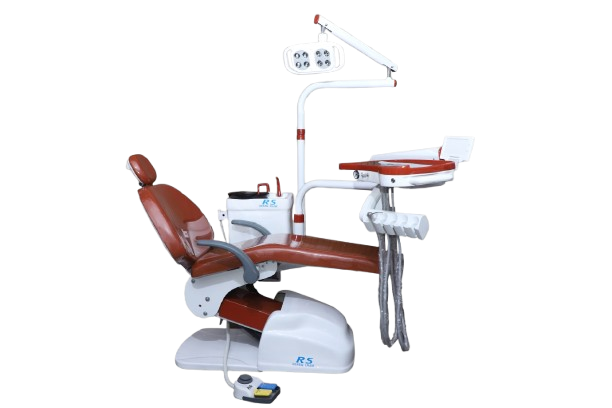
A hydraulic dental chair — known for durability and mechanical simplicity.
What Is an Electric Dental Chair?
An electric dental chair uses electric motors and electronic controls to manage all chair movements — height, backrest, seat tilt, and even memory positioning — controlled through buttons or touch panels.
Electric dental chairs are the go-to for modern, technology-forward clinics. They provide precise positioning and smooth, quiet motion — improving both dentist convenience and patient comfort during treatments.
Many models include programmable memory positions, LED lighting, integrated control panels, and digital adjustments — features that make them highly efficient for clinics prioritizing automation and a premium patient experience.
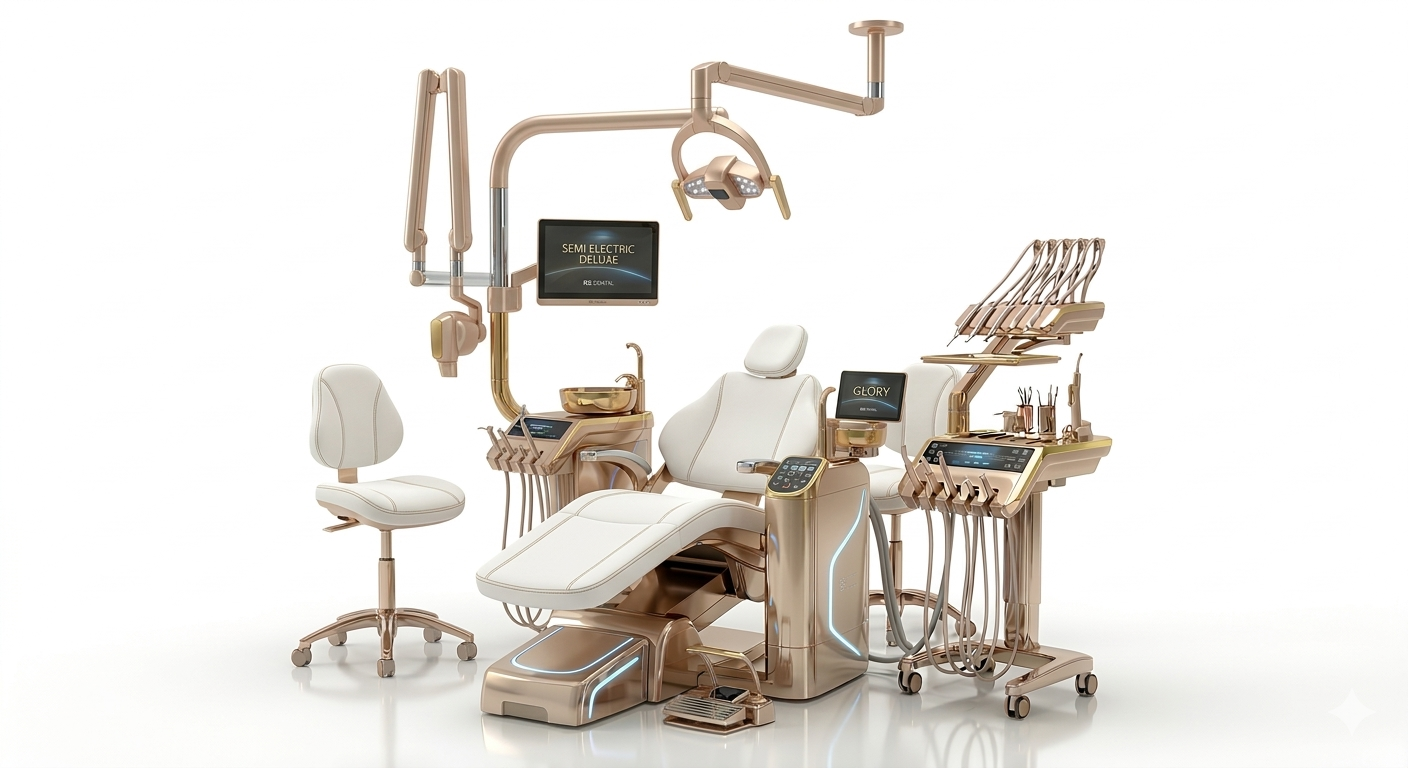
An electric dental chair — designed for automation and advanced patient comfort.
Key Differences Between the Two
When choosing between hydraulic and electric dental chairs, consider functionality, cost, durability, maintenance, and your clinic's workflow. Here is a direct comparison:
| Feature | Hydraulic | Electric |
|---|---|---|
| Working Mechanism | Fluid Pressure | Electric Motors |
| Movement Control | Pedal / Manual | Digital / Auto |
| Installation | Simple | Electrical Setup |
| Purchase Cost | Lower | Higher |
| Maintenance | Easy | Technical |
| Patient Comfort | Good | Excellent |
| Power Dependency | Low | High |
Advantages of Hydraulic Dental Chairs
Hydraulic chairs remain popular due to their simplicity, strength, and long lifespan. Here are the key benefits:
- 1Exceptional DurabilityRobust mechanical components handle heavy daily usage for years — ideal for high-volume clinics where reliability is non-negotiable.
- 2Lower Purchase CostMore budget-friendly than electric models — a practical choice for new clinics or practices with limited initial investment.
- 3Simple MaintenanceMaintenance involves hydraulic fluid checks and mechanical parts — fewer electronics means easier, more affordable repairs.
- 4Stable and Smooth MovementHydraulic systems deliver steady, controlled motion — no sudden jerky movements during delicate procedures.
Advantages of Electric Dental Chairs
Electric chairs are built for modern practices that want to deliver a premium experience. Here are their core advantages:
- 1Automated Positioning FeaturesProgrammable memory positions allow dentists to instantly recall preferred setups — saving valuable time during busy clinic hours.
- 2Enhanced Patient ComfortSmooth, quiet motorised movements make patients feel more at ease — especially during long or complex treatments.
- 3Advanced Technology IntegrationBuilt-in LED lighting, digital control panels, and ergonomic design elevate clinic professionalism.
- 4Better Ergonomics for DentistsElectric adjustments allow precise patient positioning without physical effort — reducing strain over long sessions.

Modern dental equipment enhances both clinic workflow and patient experience.
The right dental chair isn't the most expensive one — it's the one that fits your practice's workflow, patient volume, and long-term goals.
Which Dental Chair Is Right for Your Clinic?
The best choice depends entirely on your clinic's specific situation. Both options have real strengths — the decision comes down to budget, patient volume, electricity reliability, and how technology-forward your practice is.
You need reliable, cost-effective equipment
Small clinic, limited budget, high patient volume, or areas with unstable power. Simple to maintain, proven over decades.
💰 Budget-FriendlyYou want automation and a premium experience
Modern practice focused on patient comfort, advanced features, and workflow efficiency. Investment pays off in professionalism.
⚡ Feature-RichUltimately, evaluate your clinic requirements, long-term goals, and available budget before making a purchase decision. Either chair — chosen wisely — will serve your patients well for years to come.
Conclusion
Hydraulic chairs win on durability, affordability, and mechanical simplicity — a reliable workhorse for any clinic. Electric chairs bring advanced functionality, automation, and enhanced comfort that can significantly improve patient experience and workflow efficiency.
Before choosing, weigh your clinic workflow, patient comfort priorities, maintenance capability, and long-term vision. With that clarity, the right chair becomes an obvious choice.