Hydraulic vs Electric Dental Chairs: Which One is Right for You?
Choosing the right dental chair is one of the most important decisions when setting up or upgrading your clinic. In this guide on Hydraulic vs Electric Dental Chairs: Which One is Right for You?, we will compare both options in terms of functionality, cost, maintenance, and usability. The right choice directly impacts patient comfort, dentist efficiency, and overall clinic performance.
Dental chairs are the centerpiece of any practice, and selecting the wrong type can affect workflow and long-term costs. Understanding the differences between hydraulic and electric systems will help you make a practical and cost-effective decision based on your clinic’s needs.
What is a Hydraulic Dental Chair?
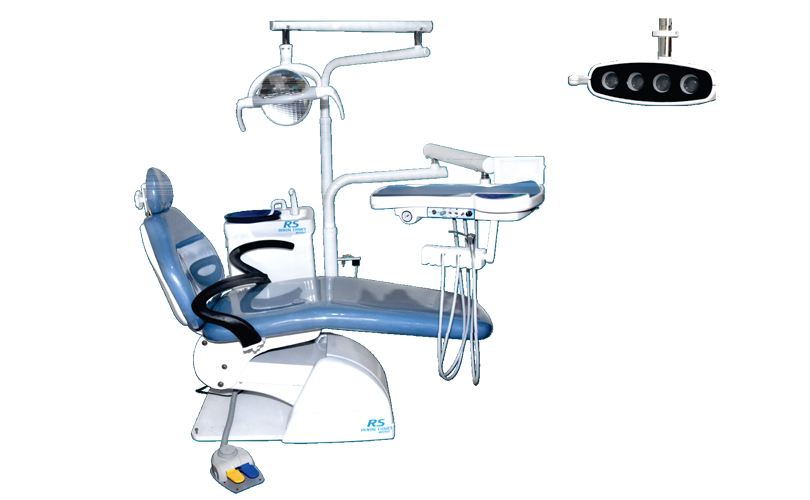
A hydraulic dental chair operates using fluid-based pressure systems to adjust height and positioning. These chairs rely on manual or semi-automatic controls, making them simple and durable. They are widely used in clinics that prefer basic functionality without heavy reliance on electronics.
Hydraulic chairs are known for their strength and reliability. Since they have fewer electronic components, they are less prone to technical failures. However, adjustments may not be as smooth or precise compared to electric models, which can affect patient experience in some cases.
What is an Electric Dental Chair?
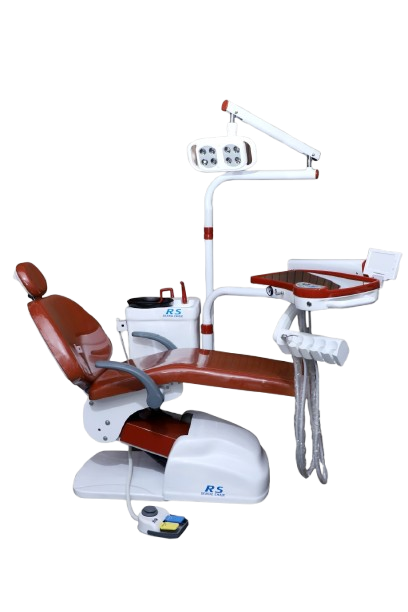
An electric dental chair uses motorized systems to control movements such as height adjustment, backrest positioning, and reclining. These chairs are designed for modern clinics that prioritize comfort, efficiency, and advanced features. They often come with programmable settings for different procedures.
Electric chairs provide smoother and more precise movements, improving both patient comfort and dentist convenience. They also support additional integrations like LED lights, spittoons, and digital controls. However, they require a stable power supply and regular maintenance to function efficiently.
Key Differences Between Hydraulic and Electric Dental Chairs
The main difference between the two lies in their operation and user experience. Hydraulic chairs use manual pressure systems, while electric chairs rely on motors and automation. This difference significantly affects performance, cost, and maintenance.
Hydraulic chairs are generally more affordable and easier to maintain, making them suitable for small clinics or beginners. On the other hand, electric chairs offer advanced features, better ergonomics, and higher efficiency, making them ideal for high-end or busy dental practices.
Cost Comparison and Budget Considerations
When evaluating Hydraulic vs Electric Dental Chairs: Which One is Right for You?, cost plays a major role. Hydraulic chairs are more budget-friendly, making them a good choice for startups or clinics with limited investment capacity. Their lower upfront cost helps in reducing initial financial burden.
Electric chairs, although more expensive, offer better long-term value through enhanced efficiency and patient satisfaction. They can improve workflow and reduce physical strain on dentists, which is beneficial in high-volume practices. Your choice should depend on your budget and expected patient load.
Maintenance and Durability
Hydraulic dental chairs are known for their durability and low maintenance requirements. Since they have fewer electronic parts, they are less likely to experience technical issues. This makes them a reliable option for clinics in areas with inconsistent power supply.
Electric chairs require regular servicing and proper handling to maintain their performance. While they offer advanced features, their dependence on electrical components can lead to higher maintenance costs. However, with proper care, they can provide long-lasting and efficient service.
Which Dental Chair is Right for You?
The decision ultimately depends on your clinic’s needs, budget, and long-term goals. If you are starting a small clinic or working in a low-resource setting, a hydraulic chair may be the practical choice. It offers reliability, affordability, and ease of use.
If your focus is on patient comfort, advanced features, and high efficiency, an electric chair is the better option. It enhances the overall experience and supports modern dental procedures. Understanding your requirements is key to answering Hydraulic vs Electric Dental Chairs: Which One is Right for You?.
Frequently Asked Questions (FAQs)
1. Which dental chair is more cost-effective?
Hydraulic dental chairs are generally more cost-effective due to their lower initial price and minimal maintenance requirements. They are ideal for clinics with budget constraints. However, electric chairs may offer better value in the long run through improved efficiency.
2. Are electric dental chairs better than hydraulic ones?
Electric dental chairs offer smoother operation, advanced features, and better patient comfort. However, they are more expensive and require regular maintenance. The choice depends on your clinic’s priorities and budget.
3. Which chair is easier to maintain?
Hydraulic chairs are easier to maintain because they have fewer electronic components. They are less prone to technical issues and can function well with basic servicing. Electric chairs need more attention and professional maintenance.
4. Can hydraulic chairs handle all dental procedures?
Yes, hydraulic chairs can support most standard dental procedures. However, they may lack the precision and convenience offered by electric chairs. For advanced treatments, electric chairs are often preferred.
5. Do electric dental chairs consume a lot of electricity?
Electric dental chairs consume moderate electricity, but not excessively. They require a stable power supply for smooth operation. Energy consumption is generally not a major concern for most clinics.
6. Which chair is best for new dental clinics?
For new clinics with limited budgets, hydraulic chairs are a practical choice. For clinics aiming to provide premium services and comfort, electric chairs are a better investment.