Clinic Setup & Management Dental Chairs Dental Equipment Dental Professionals Dental Technology Services & Support

Hydraulic vs Electric Dental Chairs: Which One is Right for You?

Hydraulic vs Electric Dental Chairs: Which One is Right for You?

Choosing the right dental chair is one of the most important decisions when setting up or upgrading your clinic. In this guide on Hydraulic vs Electric Dental Chairs: Which One is Right for You?, we will compare both options in terms of functionality, cost, maintenance, and usability. The right choice directly impacts patient comfort, dentist efficiency, and overall clinic performance.

Dental chairs are the centerpiece of any practice, and selecting the wrong type can affect workflow and long-term costs. Understanding the differences between hydraulic and electric systems will help you make a practical and cost-effective decision based on your clinic’s needs.

What is a Hydraulic Dental Chair?

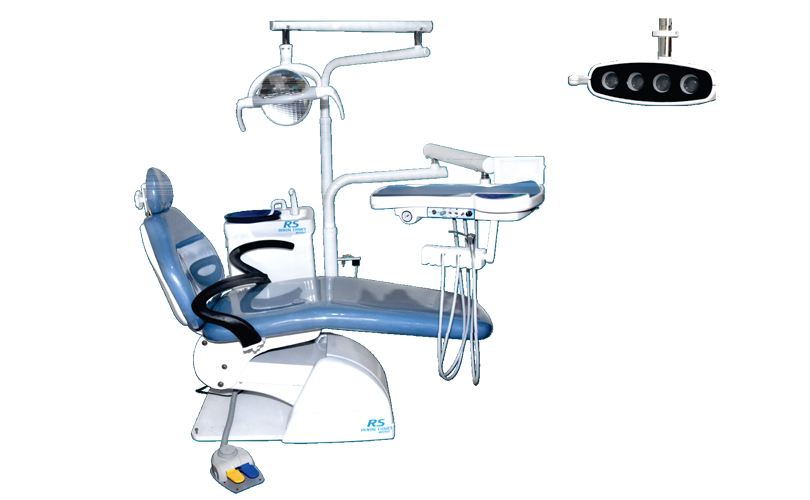
A hydraulic dental chair operates using fluid-based pressure systems to adjust height and positioning. These chairs rely on manual or semi-automatic controls, making them simple and durable. They are widely used in clinics that prefer basic functionality without heavy reliance on electronics.

Hydraulic chairs are known for their strength and reliability. Since they have fewer electronic components, they are less prone to technical failures. However, adjustments may not be as smooth or precise compared to electric models, which can affect patient experience in some cases.

What is an Electric Dental Chair?

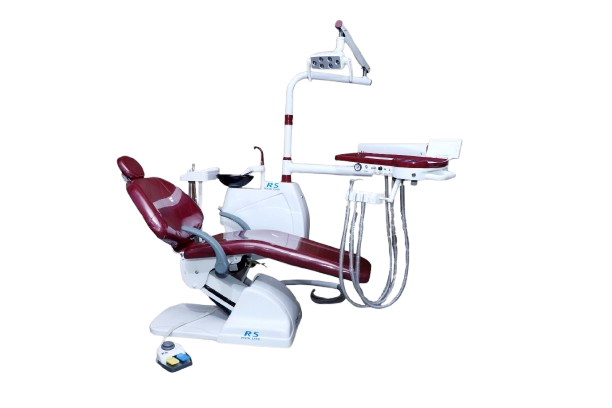
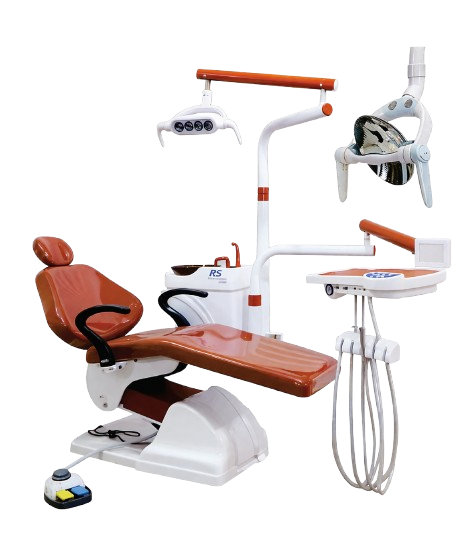
An electric dental chair uses motorized systems to control movements such as height adjustment, backrest positioning, and reclining. These chairs are designed for modern clinics that prioritize comfort, efficiency, and advanced features. They often come with programmable settings for different procedures.

Electric chairs provide smoother and more precise movements, improving both patient comfort and dentist convenience. They also support additional integrations like LED lights, spittoons, and digital controls. However, they require a stable power supply and regular maintenance to function efficiently.

Key Differences Between Hydraulic and Electric Dental Chairs

The main difference between the two lies in their operation and user experience. Hydraulic chairs use manual pressure systems, while electric chairs rely on motors and automation. This difference significantly affects performance, cost, and maintenance.

Hydraulic chairs are generally more affordable and easier to maintain, making them suitable for small clinics or beginners. On the other hand, electric chairs offer advanced features, better ergonomics, and higher efficiency, making them ideal for high-end or busy dental practices.

Cost Comparison and Budget Considerations

When evaluating Hydraulic vs Electric Dental Chairs: Which One is Right for You?, cost plays a major role. Hydraulic chairs are more budget-friendly, making them a good choice for startups or clinics with limited investment capacity. Their lower upfront cost helps in reducing initial financial burden.

Electric chairs, although more expensive, offer better long-term value through enhanced efficiency and patient satisfaction. They can improve workflow and reduce physical strain on dentists, which is beneficial in high-volume practices. Your choice should depend on your budget and expected patient load.

Maintenance and Durability

Hydraulic dental chairs are known for their durability and low maintenance requirements. Since they have fewer electronic parts, they are less likely to experience technical issues. This makes them a reliable option for clinics in areas with inconsistent power supply.

Electric chairs require regular servicing and proper handling to maintain their performance. While they offer advanced features, their dependence on electrical components can lead to higher maintenance costs. However, with proper care, they can provide long-lasting and efficient service.

Which Dental Chair is Right for You?

The decision ultimately depends on your clinic’s needs, budget, and long-term goals. If you are starting a small clinic or working in a low-resource setting, a hydraulic chair may be the practical choice. It offers reliability, affordability, and ease of use.

If your focus is on patient comfort, advanced features, and high efficiency, an electric chair is the better option. It enhances the overall experience and supports modern dental procedures. Understanding your requirements is key to answering Hydraulic vs Electric Dental Chairs: Which One is Right for You?.

Frequently Asked Questions (FAQs)

1. Which dental chair is more cost-effective?

Hydraulic dental chairs are generally more cost-effective due to their lower initial price and minimal maintenance requirements. They are ideal for clinics with budget constraints. However, electric chairs may offer better value in the long run through improved efficiency.

2. Are electric dental chairs better than hydraulic ones?

Electric dental chairs offer smoother operation, advanced features, and better patient comfort. However, they are more expensive and require regular maintenance. The choice depends on your clinic’s priorities and budget.

3. Which chair is easier to maintain?

Hydraulic chairs are easier to maintain because they have fewer electronic components. They are less prone to technical issues and can function well with basic servicing. Electric chairs need more attention and professional maintenance.

4. Can hydraulic chairs handle all dental procedures?

Yes, hydraulic chairs can support most standard dental procedures. However, they may lack the precision and convenience offered by electric chairs. For advanced treatments, electric chairs are often preferred.

5. Do electric dental chairs consume a lot of electricity?

Electric dental chairs consume moderate electricity, but not excessively. They require a stable power supply for smooth operation. Energy consumption is generally not a major concern for most clinics.

6. Which chair is best for new dental clinics?

For new clinics with limited budgets, hydraulic chairs are a practical choice. For clinics aiming to provide premium services and comfort, electric chairs are a better investment.

Clinic Setup & Management Dental Chairs Dental Equipment Dental Professionals Dental Technology Services & Support

Complete Dental Clinic Setup Guide in India

Complete Dental Clinic Setup Guide in India

Starting a dental practice requires a clear strategy, proper planning, and compliance with regulations. This Complete Dental Clinic Setup Guide in India helps you understand every essential step involved in building a successful clinic. With the rising awareness of oral health, dental services are becoming increasingly important across urban and semi-urban areas. A well-planned clinic not only ensures patient satisfaction but also creates long-term profitability. This guide will walk you through planning, legal aspects, infrastructure, and growth strategies to help you establish a strong foundation.

Planning and Market Research for Dental Clinic Setup

The first step in the Complete Dental Clinic Setup Guide in India is conducting thorough market research. Understanding your target audience, competition, and demand for services allows you to make informed decisions. You should evaluate whether your area requires general dentistry, cosmetic procedures, or specialized treatments like orthodontics. This helps in defining your service offerings and positioning your clinic effectively in the market.

A well-structured dental clinic business plan is equally important. It should include estimated costs, expected revenue, and long-term growth plans. Planning also involves deciding your pricing strategy and identifying potential challenges. With proper research and planning, you can minimize risks and maximize your chances of success in the dental industry.

Legal Requirements and Licensing in India

Legal compliance is a critical part of the Complete Dental Clinic Setup Guide in India. You must register with the State Dental Council to practice legally. Additionally, you need to follow biomedical waste management rules to ensure proper disposal of medical waste. These regulations are essential for maintaining hygiene and avoiding legal complications.

Other requirements may include obtaining a clinic establishment license, GST registration, and local municipal approvals. Each state may have slightly different regulations, so it is important to verify the specific requirements in your area. Completing all legal formalities not only ensures smooth operations but also builds trust among patients.

Choosing the Right Location and Clinic Design

Selecting the right location plays a major role in the success of your clinic. High-visibility areas such as residential colonies, commercial zones, or locations near hospitals can attract more patients. Accessibility, parking, and convenience are key factors that influence patient visits. A strategic location ensures steady footfall and better growth opportunities.

Clinic design is another important aspect of the Complete Dental Clinic Setup Guide in India. Your clinic should be well-organized with separate areas for reception, treatment, and sterilization. A clean and comfortable environment improves patient experience and reflects professionalism. Investing in a functional and modern design can give your clinic a competitive edge.

Essential Dental Equipment and Instruments

A successful dental clinic requires reliable and high-quality equipment. Basic requirements include a dental chair unit, compressor, sterilization equipment, and diagnostic tools. These are essential for providing effective and safe treatment to patients. Investing in durable equipment reduces maintenance costs in the long run.

Advanced tools such as digital scanners and intraoral cameras can improve diagnosis and treatment accuracy. Although they may increase initial costs, they enhance patient trust and clinic efficiency. Equipment selection is a key part of the Complete Dental Clinic Setup Guide in India, as it directly impacts service quality.

Cost Breakdown and Investment Planning

Understanding the financial aspect is essential when setting up a dental clinic. The total investment in India usually ranges between ₹5 lakhs to ₹20 lakhs depending on location, equipment, and clinic size. Major expenses include rent, equipment purchase, licensing fees, and staff salaries.

It is also important to allocate funds for marketing and maintenance. Proper budgeting helps in managing expenses and ensures smooth operations. Financial planning allows you to maintain stability and achieve long-term success in your dental practice.

Marketing and Patient Acquisition Strategies

Marketing is essential for attracting patients and building your brand. Digital strategies such as SEO, social media marketing, and Google listings can help increase your online visibility. Sharing informative content and patient education blogs can establish your authority in the field.

Offline marketing methods like local promotions, referral programs, and partnerships with nearby healthcare providers can also be effective. A combination of online and offline strategies ensures consistent patient flow. Marketing plays a vital role in the growth of your clinic and completes the Complete Dental Clinic Setup Guide in India.

Frequently Asked Questions (FAQs)

1. How much investment is required to start a dental clinic in India?

The investment depends on factors like location, equipment, and clinic size. On average, it ranges from ₹5 lakhs to ₹20 lakhs. Proper planning can help you optimize costs and avoid unnecessary expenses.

2. What licenses are required for a dental clinic in India?

You need registration with the State Dental Council, biomedical waste management authorization, and local municipal approvals. Additional registrations like GST may also be required depending on your services.

3. How do I choose the best location for my clinic?

Choose a location with high visibility, good accessibility, and sufficient patient demand. Areas near residential zones or hospitals are often ideal for attracting regular patients.

4. What equipment is essential for a dental clinic?

Basic equipment includes a dental chair, sterilization tools, compressor, and diagnostic instruments. Advanced tools can be added based on your services and budget.

5. How can I attract more patients to my clinic?

You can use digital marketing strategies like SEO and social media, along with offline methods such as referrals and local advertising. Providing quality service also helps in gaining repeat patients.

6. Is opening a dental clinic in India profitable?

Yes, with proper planning, quality service, and effective marketing, a dental clinic can be highly profitable. The growing awareness of oral health continues to increase demand for dental services.


Clinic Setup & Management Dental Chairs Dental Equipment Dental Technology Services & Support Uncategorized

How to Choose the Right Dental Chair for Your Clinic in 2026

Setting up or upgrading a dental clinic is one of the most significant investments a practitioner makes. At the heart of every successful clinic sits one crucial piece of equipment — the dental chair.

With over 25 years of manufacturing and supply experience across India, RS Dental has helped thousands of clinics make this critical decision wisely.

“A dental chair is not just furniture — it is a long-term investment in patient trust, clinical precision, and your own daily comfort.”

Types of dental chairs available

Before diving into specifications, understand the three broad categories available in the Indian market.

Fully electric dental chairs

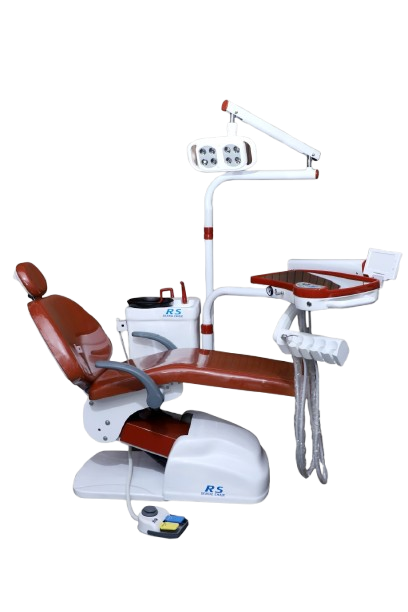
These chairs operate entirely on electric motors for backrest recline, seat height, headrest, and legrest movement — offering the most precise and smooth control.

Semi-electric dental chairs

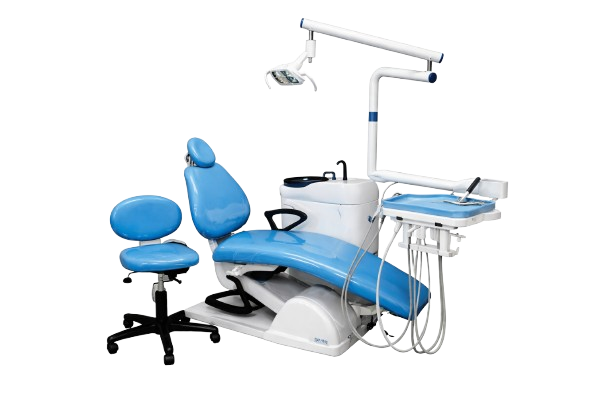
Semi-electric chairs use electric motors for primary movements and manual or hydraulic systems for the rest — a good balance of control and cost.

Hydraulic dental chairs

Hydraulic chairs use a foot-pump for height adjustment. Extremely durable and easy to maintain — a reliable choice for budget-conscious setups.

Key specifications to evaluate

Checklist: What to check before you buy
  • Weight capacity — Most standard chairs support up to 150–180 kg
  • Backrest inclination — Minimum 0° to 180° for full supine positioning
  • Seat height range — Approximately 45 cm to 70 cm
  • Upholstery — Medical-grade PU leather with anti-bacterial coating
  • Control type — Foot pedal, side panel, or dual control
  • LED operating light — Minimum 20,000 lux output
  • Delivery system — Number of handpiece couplings included

Ergonomics: protecting the dentist

Over 70% of practising dentists develop musculoskeletal disorders. A well-designed dental chair is one of the most powerful preventive tools against this.

Posts pagination

Enquiry Now

    X
    CONTACT US